Why We Wear Poppies and How to Talk to Kids About Remembrance Day
From explaining the significance and why we wear poppies to answering difficult questions about war, here’s how to help kids of all ages understand why November 11 is important.
After Halloween (and sometimes before), Canadians red poppies to their coats, and kids participate in school assemblies, and stand silently for two minutes at 11am on November 11 (Remembrance Day). But how much do kids actually understand about what they’re remembering? How much do we?
For small children especially, Remembrance Day can be confusing. Why are we wearing a red flower? Why do we have to be quiet? What is a war? And maybe the most difficult question for parents to answer, Why did so many people die?
We want our kids to understand the importance of remembering those who served and sacrificed for our country. And just the thought of explaining war, death, and conflict to young children can feel very daunting, especially when we want to help them feel safe in a world where wars are still happening.
The good news is that we don’t have to explain everything all at once. You can look at Remembrance Day as an opportunity to introduce children to the ideas of courage, compassion, service, and peace, in age-appropriate ways.
Start with What Remembrance Day Actually Means
Remembrance Day is observed on November 11 each year across Canada, the United Kingdom, Australia, New Zealand, and various other member states of the Commonwealth (as well as several non-Commonwealth nations) It marks the anniversary of the armistice that ended fighting in the First World War in 1918.
But the day isn’t just about the First World War or even the Second. It’s an opportunity to recognize Canadians who have served in wars, military conflicts, and peace support operations, including those who continue to serve today.
According to Veterans Affairs Canada, remembrance is about honouring those who served, recognizing their sacrifices, and understanding the importance of peace.
For younger children, an explanation can be as simple as…
Remembrance Day is a special day when we think about people who worked very hard to help keep others safe, including people who went to war. Some of those people died, and we remember them because their lives mattered.
Older children may be ready to learn more about Canada’s involvement in different global conflicts, what military service involves, and why people continue to serve today. And it’s also worth explaining that soldiers aren’t just people in history books. They’re parents, siblings, neighbours, coaches, and members of our communities. And a soldier’s family makes sacrifices, too.
How to Talk to Kids About Remembrance Day at Different Ages:
A child’s understanding of war, death, and sacrifice develops as they grow. And what makes sense to a teenager may be confusing or frightening to a preschooler.
Preschoolers (ages 3–5)
Keep explanations about war and remembrance simple, and focus on kindness, helping others, and remembering people who have died.
An example, “A long time ago, people fought in wars, and some people got hurt or died. On Remembrance Day, we think about them and say thank you for fighting for us.”
Young children don’t need graphic details about battles or violence. Try introducing the idea of remembrance through activities like learning about poppies, making a card, or participating in a quiet moment together.
Worried that your preschooler can’t stay silent for two full minutes? That’s totally understandable. Learning to be respectful is more important than achieving perfect stillness for any length of time.
Early elementary school (ages 6–9)
At this age, kids may begin asking more specific questions like, Why do countries fight? What happens to the soldiers? Could a war happen here?
You should answer honestly, but don’t offer more information than they’re asking for or details they need. This is also a good age to introduce stories about real people, including Canadian veterans, nurses, peacekeepers, and the animals that have helped during wartime.
Veterans Affairs Canada’s Tales of Animals in War is an excellent resource designed to introduce younger children to Remembrance Day through animal characters and stories of service.
Tweens (ages 10–12)
Older children can begin exploring more complicated ideas about war, including why conflicts happen, how war affects civilians, and why honouring those who serve remains important. And this is a good opportunity to discuss the difference between honouring military service and celebrating war.
You can start encouraging children to think critically about Canada’s history and recognize that our different communities have experienced war and military service in different ways.
Teenagers (ages 13 and up)
Teenagers have opinions! And many may have strong opinions about war, politics, military service, or the role of the Canadian Armed Forces, particularly if they’re seeing coverage of current conflicts on social media.
Their views may even be radically different from yours. Rather than expecting them to accept a particular perspective, encourage their questions and engage in thoughtful discussion.
Why do we remember? What responsibilities do countries have to people affected by conflict? What does service mean? Can we still honour those who served while also questioning the decisions that led to war?
These kinds of conversations can help teenagers develop empathy, gain a better perspectives of historical understanding, and hone their ability to engage respectfully about complicated issues.
Veterans Affairs Canada’s Canada Remembers Times offers stories and historical information geared toward students ages 12 to 18.
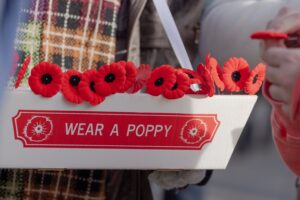
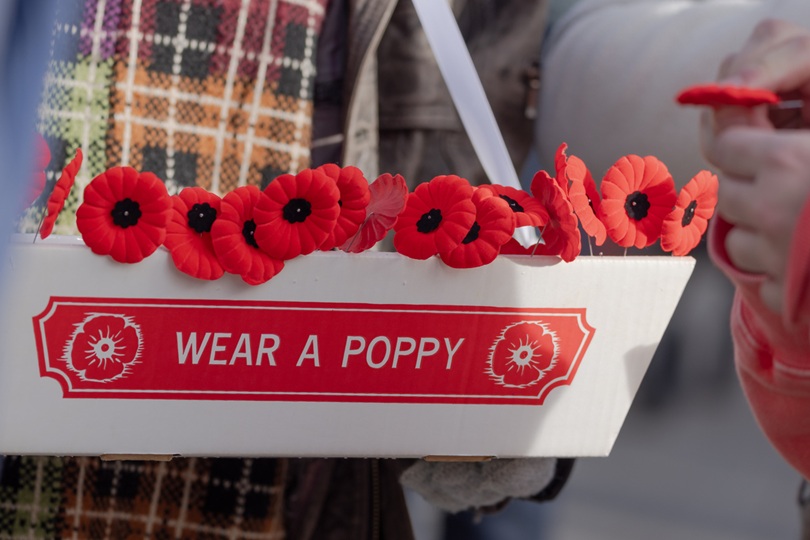
Why We Wear Poppies
For most Canadian children the poppy is their first introduction to Remembrance Day.
The flower became a symbol of remembrance after Canadian physician and soldier Lieutenant-Colonel John McCrae wrote his famous poem In Flanders Fields in 1915, inspired by the poppies he saw that were growing on European battlefields during the First World War.
Today, millions of Canadians wear poppies to honour those who served and died.
According to the Royal Canadian Legion, poppies are traditionally worn on the left side, close to the heart, during the remembrance period from October 24 through to November 11.
Poppies technically are free, although donations to the Legion’s Poppy Fund help support veterans and their families.
For younger children, you can explain that wearing a poppy is a way of saying, “We thank you and remember you.” It’s a simple symbol with a powerful meaning that stays with us for life.
What If Your Child Asks If War Could Happen Here?
This may be one of the hardest questions parents face, particularly when children are already hearing about international conflicts through the news, at school, or online.
It’s probably very tempting to simply reassure them that nothing like that will happen here, but promises that we can’t guarantee aren’t necessarily helpful. Instead, try to acknowledge their feelings of fear and offer reassurance grounded in the present circumstances.
So you can say something like, “I understand why war sounds scary. Right now, you’re safe here with us and there are people who work to prevent conflicts and help keep communities safe.”
You can ask what they’ve heard and what they’re really worried about before launching into a big explanation. Sometimes children are simply curious about history and other times, they’re looking for reassurance. And it’s also totally okay to acknowledge that grown-ups don’t have all the answers.
Remembering All Canadians Who Served
Remembrance Day is also an opportunity to introduce children to stories they might not encounter in their traditional history lessons at school.
Canada’s military history includes the contributions of Indigenous peoples, Black Canadians, women, and members of many cultural and religious communities whose service hasn’t always received equal recognition. For example, November 8 is Indigenous Veterans Day, an opportunity to recognize First Nations, Inuit, and Métis veterans and their contributions to Canada’s military history.
Learning about these diverse experiences can help kids understand that remembrance is about the people, not just dates, battles, or military victories.
It can also lead to important conversations about fairness, belonging, and the often complicated relationship between a country’s history and the people who have served it.
It’s Okay If Your Kids Don’t Fully Understand
For young kids, Remembrance Day can just be about wearing a poppy, standing quietly at school, or making a picture to say thank you.
And for older kids, Remembrance Day can spark questions about history, justice, military service, and why conflicts continue around the world.
Both are meaningful starting points.
So we don’t need to overwhelm our kids with the horrors of war to teach them why Remembrance Day matters. We can introduce difficult truths gradually, answer questions honestly, and make space for their feelings and perspectives.
Remembrance Day and wearing a poppy isn’t just about understanding what happened in the past. It’s about recognizing the human cost of conflict, honouring those who served, and helping the next generation understand that peace is worth protecting.
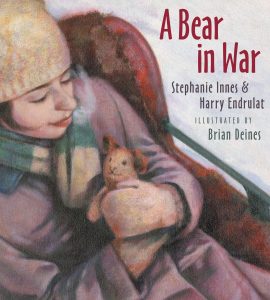
Check out this sweet Remembrance Day story book for young children.