Why Kids Lie (And When You Should Actually Worry)


From little white lies to elaborate cover stories, dishonesty is a normal part of growing up. Here’s what Canadian research says about why kids lie, when to be concerned, and how parents can encourage honesty.
In Nathan Fielder and Lance Oppenheim’s fascinating new documentary You Can See Everything, convicted Theranos founder Elizabeth Holmes is asked a seemingly simple question: Has she ever told a lie?
Her response?
She doesn’t think so.
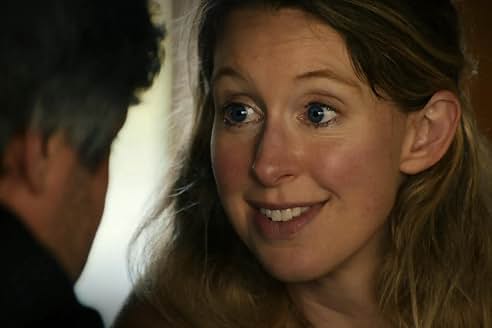
You Can See Everything | A24 Films ©2026
“Why would I deceive you?
There’s no reason for me to do that.”
It’s a remarkable exchange, especially since we know that Holmes was sentenced to prison for defrauding investors. Throughout, her answers to even the most straightforward questions are anything but straightforward. The film raises all kinds of uncomfortable questions about deception, accountability, and the stories we tell ourselves, and it also got me thinking about something a little closer to home.
People lie all the time. Kids lie.
But why do they start lying? And when should parents actually worry about it?
The answers did surprise me. Lying is a completely normal part of childhood development, and learning to lie can actually be a sign that a child’s brain is developing exactly as it should.
Lying Is a Developmental Milestone
According to Dr. Kang Lee, a professor at the University of Toronto’s Ontario Institute for Studies in Education (OISE) and a leading researcher in childhood deception, some children start lying as young as two years old.
In fact, research by Lee and his colleagues found that approximately 25% of two-year-olds lied in an experimental setting. By age three, that number climbed to 50%, and by age four, more than 90% of the children studied were capable of lying.
So if your preschooler looks you straight in the eye and denies eating the cookie despite the chocolate smeared across their face, this is a cause for celebration! They’re actually demonstrating an important new cognitive skill.
Lying requires children to understand that other people don’t necessarily know what they know. Psychologists call this theory of mind. Lying also requires a degree of self-control, memory, and planning, all of which are associated with executive functioning.
And a 2018 University of Toronto study co-authored by Lee found that preschoolers who were taught to deceive during a game subsequently performed better on certain tests of executive functioning and perspective-taking than children who hadn’t received the same training.
So, in other words, a child who can successfully tell a lie is demonstrating some pretty sophisticated thinking.
So does this mean we encourage dishonesty? Of course not. But means that a child who fibs isn’t necessarily demonstrating a deep-seeded character flaw.
Why Do Kids Lie?
Not all lies are created equal, and the reasons that children lie tend to change as they grow.
Toddlers and preschoolers:
At this age, children are still learning the difference between fantasy and reality. Some apparent lies are simply imaginative storytelling. Others are early attempts to avoid getting into trouble, like denying they drew on the wall even though they’re still holding the crayon.
School-aged kids:
As children become more socially aware, they may lie to avoid punishment, escape embarrassment, impress their friends, or avoid disappointing their parents. A child who insists that they finished their homework when they haven’t might be trying to escape consequences, but they might also be feeling overwhelmed or struggling academically.
Tweens and teenagers:
As children develop greater independence, their reasons for lying become more complicated. They may conceal information to protect their privacy, avoid conflict, fit in with peers, or maintain a sense of autonomy. They may also begin telling socially acceptable white lies to spare someone’s feelings.
The Toronto District School Board’s guidance on childhood lying notes that many of these behaviours are common and not necessarily signs of a serious problem.
The important question isn’t always whether a child is lying, but why.
When Does Lying Become a Problem?
An occasional fib about finishing homework or brushing teeth is one thing. But persistent, elaborate, or harmful dishonesty deserves closer attention.
According to the Toronto District School Board, parents should be more concerned when children repeatedly invent elaborate stories, rely on lying to manage everyday expectations, or seem unable to break an established pattern of dishonesty.
Sometimes frequent lying reflects deeper emotional struggles. A child who constantly exaggerates their achievements, for example, might be struggling with low self-esteem or feeling that their real life isn’t good enough.
And some children lie because they learned that telling the truth leads to anger, embarrassment, or consequences they don’t like or feel equipped to handle.
More concerning patterns of lying includes:
- Frequent, persistent lying that interferes with friendships, school, or family relationships.
- Dishonesty used to conceal dangerous behaviour, such as substance use or serious bullying.
- Elaborate false stories that continue even after the facts have been established.
- Lying accompanied by other significant changes in mood, behaviour, or school performance.
- Repeated dishonesty that causes harm to others or creates serious problems in a child’s daily life.
Please remember that these patterns don’t automatically mean a child has behavioural issues or a mental health disorder. But if the lying is persistent, escalating, or causing significant difficulties, it may be time to speak with a healthcare professional or school social worker.
Is Your Child Lying Because They’re Afraid to Tell the Truth?
Here’s where things get a little interesting. Sometimes, lying has less to do with a child’s willingness to be honest and more to do with what they expect will happen if they tell the truth.
Let’s say a child breaks something valuable. If they expect an explosive reaction, denying responsibility might feel like the safest option.
Or a child who is struggling at school might insist that everything is fine because they’re afraid of disappointing their parents.
That doesn’t mean the dishonesty is acceptable. However, it does suggest that understanding the motivation behind a lie is just as important as addressing the lie itself.
The TDSB advises against punishing children specifically for lying, highlighting that punishment may simply encourage them to become better at concealing the truth. It also cautions parents against labelling a child a “liar,” which reinforces a negative identity rather than encouraging positive behaviour.
The goal should always be to create an environment where children understand the importance of honesty, that mistakes can be addressed, and that telling the truth is always safer than hiding it.
What About Those Little White Lies We Tell Our Kids?
Here’s something else parents might not want to hear… children learn about honesty by watching us.
Remember telling your child to say you’re not home when someone calls? Or promising that an unpleasant medical procedure won’t hurt when you know it probably will?
Research involving Dr. Lee and colleagues at OISE has examined the potential long-term effects of parenting by lying, a term used to describe lies parents tell to influence their children’s feelings or behaviour.
According to research highlighted by OISE in January 2024, greater exposure to parental lying is associated with increased dishonesty toward parents, anxiety, depression, and poorer attachment in adolescence and adulthood.
This doesn’t prove that every parental white lie causes harm, or that parental dishonesty directly creates these outcomes. But it raises important questions about the mixed messages we may inadvertently send. If honesty is something we want our children to truly value, we should consider how consistently we demonstrate it ourselves.
How to Encourage Kids to Tell the Truth
So how can parents raise honest kids without turning every fib into a major confrontation?
Stay calm
If children expect an angry reaction, they may become more motivated to hide their mistakes. Address the behaviour without turning the conversation into an interrogation.
Don’t set traps
If you already know your child hasn’t completed their homework, asking whether they’ve done it creates an unnecessary opportunity to lie. Instead, try saying, “I can see your homework isn’t finished. Let’s figure out what’s getting in the way.”
Make honesty worth something
Acknowledge when your child tells the truth, especially when doing so is difficult. Being honest shouldn’t eliminate appropriate consequences, but it should always be recognized as the right but difficult choice.
Focus on repairing the mistake
If your child breaks something, hurts someone’s feelings, or makes a poor decision, help them understand how to make things right. Accountability is about more than admitting what happened.
Model the behaviour you expect
Be honest with your children in age-appropriate ways, acknowledge your own mistakes, and apologize when necessary.
Look for the feeling behind the fib
Why did they lie? Is your child embarrassed? Afraid? Overwhelmed? Trying to impress someone? Understanding the motivation can help prevent the behaviour from becoming a pattern.
These strategies are consistent with the TDSB’s recommendations for responding to childhood lying, emphasizing modelling honesty, explaining its importance, discussing the consequences of broken trust, and avoiding labels that define children by their mistakes.
Most importantly, always remind your children that they can tell you the truth, even when it’s difficult.
Raising Honest Kids Isn’t About Catching Them in Lies
One of the most fascinating things about You Can See Everything is how difficult it can be to determine whether someone is being sincere. Confidence, eye contact, and seemingly heartfelt explanations don’t necessarily prove that a person is telling the truth.
But parenting isn’t a producing a documentary, and our job isn’t to become investigative reporters. We need to help our children develop honesty, empathy, responsibility, and the confidence to acknowledge their mistakes.
The occasional lie is an expected part of growing up. What matters most is that children are learning how telling the truth is important, that dishonesty has consequences, and admitting a mistake doesn’t make them a bad person.
It’s impossible to raise children who never lie and that’s not the goal, anyway. We want to raise children who understand why honesty matters, even when the truth is uncomfortable.