A Parent’s Guide to the Weirdest (and Scariest) Winter Sports

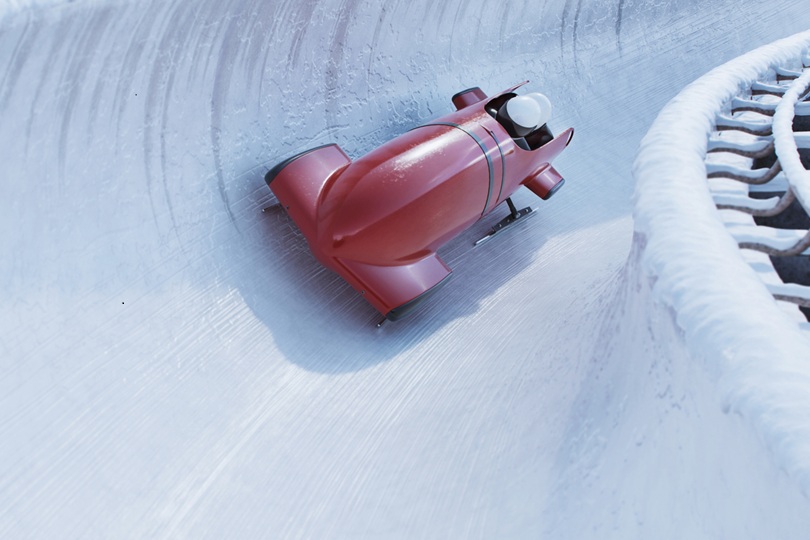
Every four years, the Winter Olympics arrive and, with them, a familiar parental reaction… Wait… people let their children train to do THAT? One minute you’re watching figure skaters twirling about and feeling safe and cozy. The next, a teenager in a shiny unitard is hurtling head-first down an ice chute at highway speeds.
And so, as a parent, you’re wondering… How does this happen? Who signs the permission form? And how do parents survive it? This is the wild world of winter sports parenting.
Some Extreme Winter Sports and How Kids Get Started Doing Them…
Luge
Extreme ice tobogganing on a sled made of giant razors…
If you’ve never seen luge before, imagine a child (nay, your child) lying flat on their back, inches above the ice, steering a tiny sled made of giant razors with their calves. They are going faster than most cars on the highway. There are no brakes. They are basically only wearing a wetsuit and a helmet.
How Kids Become Lugers:
Most lugers start young, often through community sliding clubs, “try luge” days at Olympic training centres, or a talent ID program (sometimes recruiting from hockey or skiing). Yes, there are actual programs where adults look at your kid and think, “You know what? Let’s see how they do if we put them on a rocket sled.”
Luge parents need to become experts in pretending not to watch live runs, memorizing injury statistics for comfort, and must repeat after themselves, “They’ve trained for this. They’ve trained for this. They’ve trained for this.”
Skeleton
Like luge, but head-first
As if luge wasn’t intense enough, skeleton said, What if we flip it and lead with our face? Skeleton athletes launch themselves head-first down the same icy tracks, often reaching speeds over 130 km/h.
How Kids Get Into Skeleton
Many skeleton athletes are recruited from track and field, rugby, football, and other power sports. Basically, someone sees your fast and fearless kid and says, “Ever considered sliding down ice at terrifying speeds?” And you let them.
While practicing deep breathing and radical acceptance, skeleton parents understand that fear isn’t going to make their kid safer, but proper preparation will.
Ski Jumping
Ski jumping is basically flying with skis on your feet and landing on ice
Ski jumpers launch off massive ramps and just fly. Literally. They soar through the freezing air, land on steep slopes, and somehow make it look graceful.
How Kids Become Ski Jumpers
Unless their name is Eddie the Eagle, kids often get into ski jumping through ski clubs, family traditions, and European-style sport programs that are more common abroad but growing in popularity in Canada. Child ski jumpers usually start on tiny hills and scale up slowly, however “tiny” is relative.
Parents of ski jumpers have to trust the process, accept that their child loves heights, and stock up on hand warmers.
Aerial Skiing
Basically gymnastics on skis at 50 km/h
Aerial skiers hit steep jumps, launch into the air, and perform multiple flips and twists before landing on snow. So it’s part skiing, part gymnastics, and part how is this allowed?
How Kids Become Aerial Skiers
Kids usually get into it via freestyle ski clubs, trampoline training, and summer water ramps (yes, that’s a thing.) Beginner aerial skiers train off-snow extensively before doing big jumps on real hills. Parents of aerial skiers become experts in foam pits, enthusiasts for padded landing zones, and fans of “controlled risk.”
Why Do Parents Agree to These Extreme Winter Sports?
Most of these kids don’t start out participating in these extreme activities. Usually they start with a small club on a beginner hill with a supportive coach and A LOT of safety gear. And by the time it looks terrifying to us on TV, they’ve often been training for most of their lives. So, to them, this feels normal even if to you and to me it looks and feels like a medical emergency waiting to happen.
How Do Parents Survive Their Kids’ Extreme Winter Sport Obsessions?
Parents of extreme winter athletes tend to focus on the process, not the outcome. Their top priorities for their children’s safety and development are proper coaching, safe facilities, mental health support, and injury prevention. They must build trust in the system by supporting good programs that prioritize progressive skill development, mandatory safety standards, medical teams, and mental training.
These parents accept who their kid is.
If you have a child who, from an early age, is all about heights, speed, risk, and adrenaline, you know that trying to turn them into a “safe” kid doesn’t work. So giving them a structured outlet and supporting them as safely as possible is really the only way to go.
Knowing When to Step Back
As with any sport or activity, as a parent it’s important to be cognizant of whether or not it’s your child’s dream, not yours, not Instagram’s, and not a coach’s or trainer’s. The hardest skill for a parent is probably the willingness to say “We’re done here,” if your child’s health or well being is on the line.
Think your child might be ready to roll or fly in the next four, eight, or 12 years? Here are some National Talent ID and entry programs to look into:
RBC Training Ground
RBC Training Ground is Canada’s biggest Olympic talent ID program. It’s a nationwide series of events where young athletes aged roughly 14–25 can try out and be scouted for Olympic pathways in sports like luge, skeleton, bobsleigh, ski jumping, and more. It’s designed to uncover athletic potential even if your child hasn’t specialized yet, and offers coaching support, mentorship, and access to national programs.
If your kid is strong, fast, powerful, driven, or preferably all of the above, this is often where they get noticed.
Sliding Sports (Luge/Bobsleigh/Skeleton)
Luge Canada
Luge Canada is Canada’s governing body for luge athletes, not just Olympians. They offer ways for kids to learn the rules, volunteer, officiate or train (the latter usually through clubs in Ontario, Alberta, and Quebec). They also provide steps for parents to get certified as officials, which is a great way to understand the sport up close.
Bobsleigh Canada Skeleton (via RBC Training Ground)
Bobsleigh Canada Skeleton is the governing body for all activities pertaining to the sports of bobsleigh and skeleton in Canada. Skeleton and bobsleigh athletes also enter through RBC Training Ground. Once identified, athletes receive coaching, technical camps, and competition exposure, even at youth and junior levels.
Snow and Jumping Sports
Snow Athletes Canada
Snow Athletes Canada is an umbrella support group helping athletes in freestyle skiing, snowboarding, ski jumping, and Nordic events. They work with provincial clubs and help connect families to programming across all ages.
Nordiq Canada’s Ski Playground Events
Attending a Nordiq Canada Ski Playground Event is a no-cost, low-pressure way for kids (and parents) to try cross-country, biathlon, and ski jumping equipment before committing to a program. These community events emphasize fun and inclusivity, and are ideal for families wanting to test the waters.
Let’s Go Team Canada!